

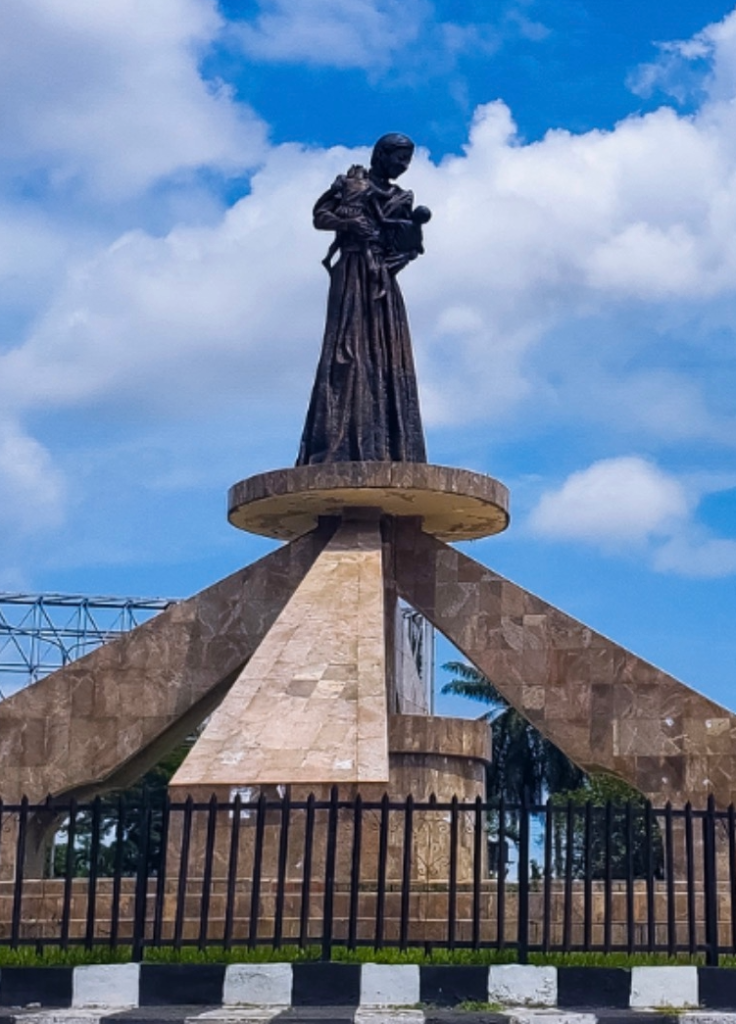
Some people spend their lives working a job while counting down the days until retirement -the moment they can finally walk away and never look back. Others discover a calling so meaningful that they continue pursuing it for as long as they are able, driven not by obligation but by passion and purpose.
One such person was Mary Slessor, a Scottish missionary who answered a calling that would take her thousands of miles from home and leave a lasting legacy in Nigeria. I first learned of Mary Slessor when I was attending school at the University of Calabar. She is praised to this day by the local people and I personally admire her.
Mary Slessor spent 41 years serving in what is now south-south Nigeria. During that time, she accomplished many remarkable things, but she is perhaps best known for her efforts to stop the traditional practice killing of twin babies at birth.
In the nineteenth century, some communities in the Calabar region (Igbo and Efik tribes) viewed twins as a bad omen. Various beliefs surrounded twin births, including fears that they were spawned from evil spirits or they were divine punishment for a grave sin committed by the mother. As a result, newborn twins were taken to the “evil forest”, abandoned and left to die – a sacrifice to prevent calamity from harming the village.
Although local rulers such as King Archibong I and King Eyo Honesty II took steps to discourage the practice through agreements with the British, it continued in some villages. Mary Slessor could not ignore the suffering she witnessed. She ventured into these communities, rescued abandoned infants, cared for them, and provided them with a safe home.
What makes her story especially remarkable is that she did not serve from a distance. She immersed herself in the culture, learned local languages, embraced the people she served, and built relationships based on trust and compassion. She dedicated her life to helping others and continued her work until the day she died.
Today, her legacy lives on through schools, roads, memorials, and awards. There are books and documentaries telling her tale. However, her greatest monument is not a statue or a school – it is the generations of lives that followed those she rescued. I personally met a man in Calabar who is a direct descendant from one of the babies saved by Mary.
Mary Slessor’s story reminds us that a life well lived is not measured solely by personal success, wealth, or comfort. It is measured by the impact we have on others. She challenges us to ask ourselves a simple question: What causes are we willing to dedicate our lives to?
On this day, we honor Mary Slessor and others like her – people who pursue a purpose greater than themselves, who serve with compassion, and who have the courage to follow their calling no matter the cost. Their lives continue to inspire us to live boldly, serve faithfully, and leave the world better than we found it.